
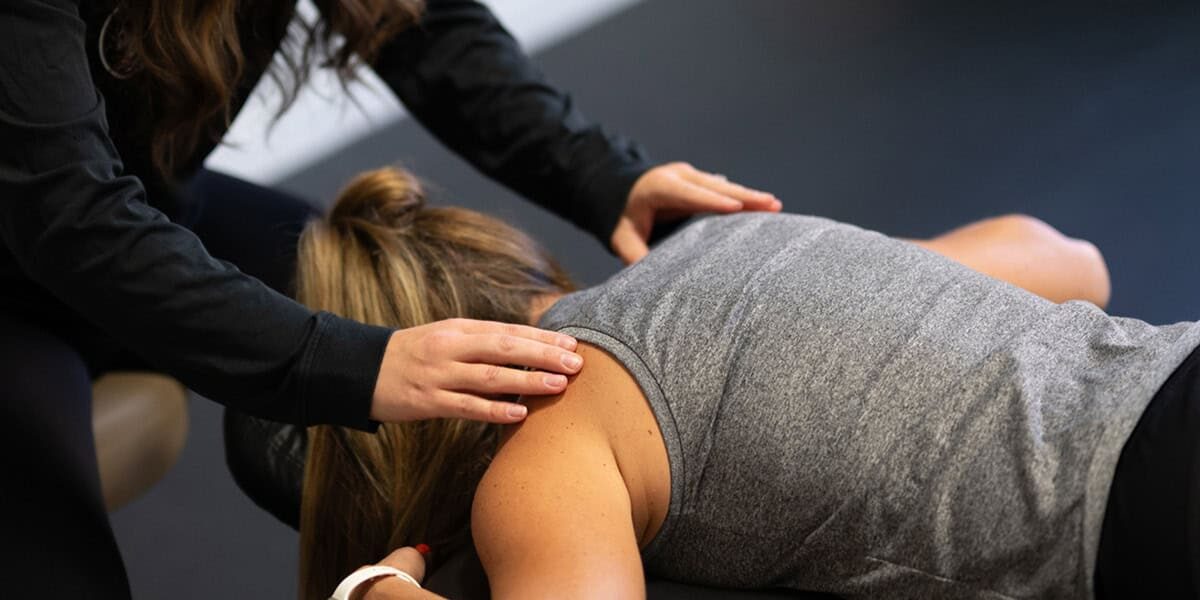
As a physical therapist, one of the most common questions I hear is: “What exactly is manual therapy?” You may have experienced it during a physical therapy session. It’s a hands-on technique that helps reduce pain and improve movement, but manual therapy is more than just massage. It’s a skilled, evidence-based approach used to restore how your body moves and feels.
A Hands-On Approach to Healing
Manual therapy refers to a group of hands-on techniques that physical therapists use to assess and treat problems involving muscles, joints, nerves, and connective tissue. Unlike exercise therapy, which relies on active movement, manual therapy is primarily passive—meaning the therapist applies the technique while the patient relaxes.
These techniques are used to decrease pain, improve joint mobility, reduce muscle tension, and help the body move more efficiently. Manual therapy is often combined with exercise, education, and movement retraining to achieve long-lasting results.
Common Manual Therapy Techniques
Manual therapy includes a wide range of techniques, such as:
- Joint mobilization: Gentle, controlled movements applied to a joint to improve motion and reduce stiffness.
- Soft tissue mobilization: Hands-on techniques targeting muscles, fascia, and tendons to reduce tightness and improve tissue mobility.
- Myofascial release: Sustained pressure applied to connective tissue restrictions that may be contributing to pain or limited movement.
- Manual stretching: Therapist-assisted stretching to improve flexibility and joint range of motion.
- Neural mobilization: Techniques designed to improve the movement and health of nerves.
Each technique is carefully selected based on the individual’s condition, symptoms, and goals.
What Conditions Can Manual Therapy Help?
Manual therapy can be effective for a wide variety of conditions, including:
- Neck and back pain
- Shoulder, hip, and knee injuries
- Sports-related injuries
- Headaches and migraines
- Post-surgical stiffness
- Chronic pain conditions
It’s important to note that manual therapy is not a “one-size-fits-all” treatment. A licensed physical therapist performs a thorough evaluation to determine whether manual therapy is appropriate and which techniques will be most beneficial.
What Manual Therapy Is and Isn’t
Manual therapy is not meant to be a quick fix. While many patients feel immediate relief, the true value lies in its support for improved movement and function over time. It also isn’t the same as a spa massage; manual therapy is a clinical skill grounded in anatomy, biomechanics, and research.
Why Manual Therapy Works Best with Exercise
Hands-on treatment can help “open the door” by reducing pain and stiffness, but movement keeps it open. That’s why physical therapists almost always pair manual therapy with therapeutic exercise. Strengthening, mobility work, and education help your body maintain the improvements made during hands-on treatment.
The Bottom Line
Manual therapy is a powerful tool in physical therapy, helping patients move and feel better and get back to doing what they love. When delivered by a skilled physical therapist and combined with active care, it can play a key role in recovery and long-term health.
If you’re curious whether manual therapy could help you, a physical therapy evaluation is the best place to start. At Pure Physio in Strongsville, OH, we are here to help you with all your physical therapy needs. Contact us today to get started.